

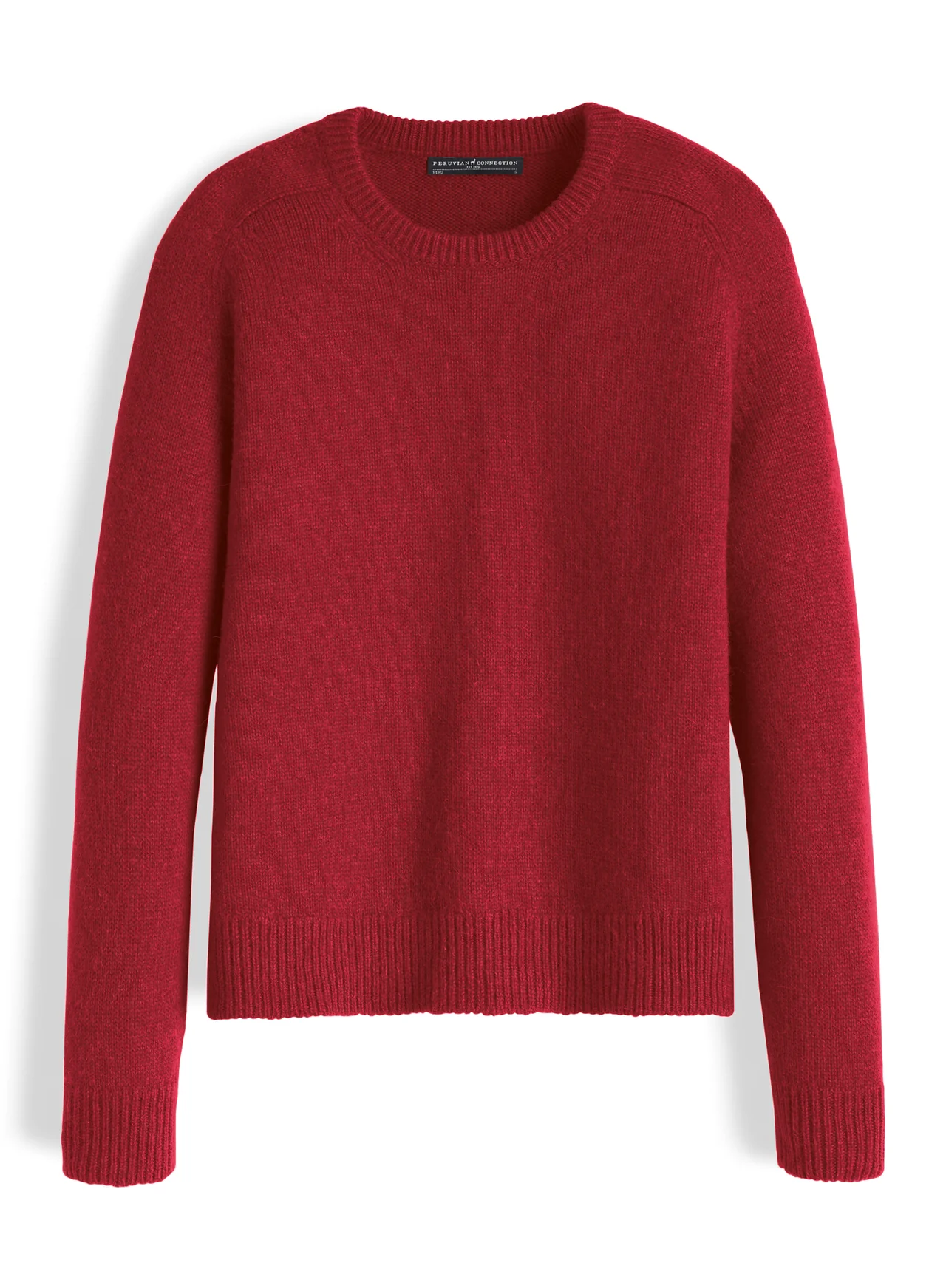
The Enduring Allure and Complex Craftsmanship of the Women’s Knit Sweater: A Comprehensive Exploration of Fiber Science, Design Evolution, and Cultural Significance
The women’s knit sweater is far more than a simple garment; it is a profound intersection of textile technology, fashion history, and intimate comfort. From its utilitarian origins as protective clothing for laborers and seafarers to its current status as a fashion staple and an object of artisanal admiration, the humble jumper holds a unique place in the global wardrobe. To comprehend its enduring appeal is to undertake a detailed exploration of the fibers that form it, the meticulous craft that structures it, and the cultural roles it has played across centuries. The complexity of its manufacture, paired with its versatility in styling, secures its perennial relevance, making it a subject worthy of exhaustive analysis.
At the foundation of the sweater’s existence lies fiber science, a field of continuous innovation and natural mastery. The choice of yarn dictates the garment’s texture, weight, insulating capacity, and drape. Natural fibers, such as wool from sheep ($Ovis$ $aries$), remain the gold standard for their unparalleled crimp structure, which traps air efficiently to provide superior thermal regulation and warmth without excessive weight. The varying micron count of the wool fiber, ranging from coarser utility yarns to the incredibly fine metrics of specialty fibers like Merino, directly impacts the hand-feel, dictating whether the garment is destined for outdoor wear or next-to-skin luxury. Specialized fibers, including those derived from cashmere goats ($Capra$ $hircus$) and angora rabbits ($Oryctolagus$ $cuniculus$), introduce elements of extreme softness and loft. Cashmere, known for its low-scale height and fine diameter, provides warmth with a characteristic lightness and luxurious drape, while angora offers a distinctive halo effect due to its hollow fiber structure. These natural fibers require specific, delicate processing, including meticulous washing, carding, and combing, to remove impurities and align the fibers before the crucial spinning stage, where raw staple fibers are twisted into cohesive yarn, with the degree of twist determining the yarn’s strength and elasticity.
Synthetic and plant-based alternatives further diversify the textile landscape. Cotton, a cellulose fiber, offers breathability and a cooling effect, making it ideal for lighter-gauge spring and summer knits. Regenerated cellulose fibers, such as rayon or modal, provide a silky luster and fluid drape, often blending seamlessly with wool to reduce weight or improve softness. Modern synthetic polymers, notably acrylic and various polyamides, offer exceptional strength, colorfastness, and resistance to pilling, often serving as crucial stabilizers in blends to reduce the cost and improve the durability of delicate natural yarns. The formulation of these synthetic fibers allows textile scientists to engineer specific performance characteristics, such as moisture-wicking properties or elasticity, making them integral to modern, functional knitwear. The ethical and environmental considerations tied to fiber choice—from responsible animal husbandry and land management for natural fibers to the biodegradability and chemical processing of synthetic options—now form a critical part of the sourcing and design philosophy.
Once the yarn is prepared, the garment’s character is defined by knit structure and gauge. Knitting, unlike weaving, interlocks a single continuous thread into a series of connected loops. The specific method of interlocking loops creates the knit stitch, which grants the finished garment its inherent elasticity and shape-retention qualities. The two primary stitches are the Knit (or plain) stitch and the Purl stitch. Varying the sequence and direction of these stitches creates all possible fabric structures. Stockinette (knit on the front, purl on the back) is the most common, creating a smooth, flat surface. Ribbing (alternating knit and purl columns) creates elasticity and is essential for cuffs and hems to ensure a snug fit. More intricate structures, such as the voluminous Cable stitch, require highly complex manipulation of the loops, crossing them over each other to create three-dimensional ropes and textures. These complex stitches are not merely decorative; the three-dimensional nature of cables, for instance, traps an increased volume of air, thereby significantly boosting the garment’s insulating properties.
The gauge of the knit, which refers to the number of stitches and rows per inch, dictates the weight and density of the finished fabric. Coarse gauge knits, typically achieved on large needles or low-gauge industrial machines, result in heavy, chunky sweaters suitable for extreme cold. Fine gauge knits, conversely, require ultra-fine yarn and high-gauge machinery, producing light, draping fabrics that mimic woven cloth and are often used for sophisticated layering pieces. The entire structure is achieved either by hand-knitting, a highly specialized artisanal craft, or by highly sophisticated industrial flat-bed knitting machines. Modern computerized knitting machines can produce fully-fashioned garments—where individual panels (front, back, sleeves) are shaped directly on the machine by precisely increasing and decreasing the number of loops, minimizing cutting waste and ensuring the optimal fit and drape that only true knitting can provide.
The design evolution and cultural narrative of the knit sweater is rich and complex. Early versions were purely functional, originating in the rugged coastal regions of the British Isles and Scandinavia, where heavy, lanolin-rich wool was required for warmth against the sea air. These garments often featured complex, localized patterns—such as the distinctive fisherman sweaters—that were originally practical identifiers for local communities. The sweater’s transition into mainstream fashion began in the early to mid-20th century, particularly as sportswear gained acceptance. Designers began to adopt the comfortable, flexible qualities of the knit for women’s leisurewear, marking a liberation from the restrictive corsetry of previous eras. The mid-century popularized the cardigan, the buttoned-down counterpart, which offered adaptability and layering possibilities. Different silhouettes emerged, from the fitted, highly structured twinset to the voluminous, oversized tunic, each reflecting the prevailing sartorial trends of its decade. Today, the sweater’s identity is continually reinvented, balancing the desire for genuine, handmade texture with the demand for sleek, contemporary silhouettes, demonstrating its ability to be simultaneously cozy, comfortable, and a powerful statement of style.
In its entirety, the knit sweater represents a holistic system of textile engineering, artistic pattern-making, and cultural history. It is a garment defined by the microscopic structure of its constituent fibers, the macroscopic geometry of its looping stitches, and the continuous conversation between functionality and fashion. Its enduring popularity is a testament to the primal human need for comfort and warmth, packaged within a versatile and endlessly re-interpretable design form.